Every family views their home as a sanctuary, a safe haven where children can grow, parents can relax, and precious memories are built. We lock our doors at night, install security cameras, and teach our children not to talk to strangers. Yet, many of the most significant threats to our family’s safety and well-being do not come from the outside world. Instead, they quietly lurk within the very structure of our living spaces. From invisible gas leaks and toxic mold spores to overgrown trees and aging mechanical systems, household hazards often remain undetected until a crisis occurs.
Atmospheric and Gas Hazards in the Living Space
The air we breathe inside our homes can harbor invisible threats that present severe health risks. Among the most dangerous of these hazards are carbon monoxide, flammable fuel leaks, and improper ventilation from gas-burning appliances. Because many gas-related hazards are colorless and odorless in their natural state, families can be exposed to harmful levels without realizing anything is wrong until physical symptoms begin to manifest.
Installing Dual-Sensor Carbon Monoxide and Natural Gas Detectors
To ensure your home is fully protected against atmospheric threats, install specialized detectors on every level of the living space and directly outside all sleeping areas. Standard smoke alarms are not equipped to detect fuel leaks or toxic carbon monoxide gas. Select dual-sensor units or dedicated natural gas detectors, positioning them near gas appliances according to manufacturer guidelines. Test these devices on a monthly basis and replace the backup batteries annually to maintain continuous monitoring.
Maintaining Heating Appliances and Decorative Gas Fixtures
Any appliance that burns fuel must be inspected regularly to prevent incomplete combustion, which leads to carbon monoxide buildup. Schedule an annual professional inspection for your furnace, boiler, and gas fireplace to confirm that all flues, pilot lights, and ventilation shafts are functioning correctly. If you notice yellow or flickering flames instead of a crisp blue flame on your burner, turn off the appliance immediately and contact a certified technician to inspect the system for blockages or faulty valves.
Recognizing Early Symptoms of Gas Exposure and Taking Emergency Action
Educate every member of your household on the physical signs of gas exposure, which include sudden dizziness, nausea, headaches, unexplained fatigue, and confusion. If a natural gas leak occurs, you may also detect a sulfurous, rotten-egg smell added by utility companies for safety identification. Instruct your family to evacuate the premises immediately upon detecting these signs without flipping electrical switches or lighting matches, and dial emergency services from a safe distance outdoors.
Structural Hazards Lurking Above and Around the Yard
While we often focus our safety efforts indoors, the immediate exterior of the home poses substantial physical risks to both the structure and the family. Large trees, decaying branches, and unstable root systems can cause devastating property damage or severe injury during routine weather events. High winds, heavy snow accumulation, and simple structural degradation can cause heavy limbs or entire trees to collapse without warning.
Conducting Seasonal Exterior Audits of Large Trees and Canopy Growth
Walk your property at least twice a year to perform a thorough visual assessment of all mature trees, paying close attention to those situated near bedrooms, play areas, and power lines. Look for telltale signs of internal decay, such as hollow trunks, mushroom clusters growing near the root base, large dead branches, or a sudden lean in the trunk. Early identification of dying trees allows you to address the threat before severe weather forces a catastrophic failure.
Managing Tree Removal and Clearing Hazardous Limbs Safely
When an exterior inspection reveals dead branches or structurally unstable trees, take immediate action to clear the area around your home. Professional tree removal is often necessary when large trunks threaten the roofline or foundation. Attempting to chop down substantial trees or trim massive upper limbs without proper equipment and rigging knowledge creates immense danger for homeowners, making professional intervention essential for high-risk extractions.
Establishing Emergency Contacts for Rapid Storm Response
Severe weather can strike with little warning, leaving split trunks or hanging limbs poised to crash through roofs or power infrastructure. Keep the contact information for an emergency tree service stored directly in your phone so you can respond quickly after a storm. Having a reliable professional ready to clear compromised branches prevents further structural collapse and restores safe access to your yard and driveway following severe weather.
Unseen Water Intrusion and Toxic Environmental Threats
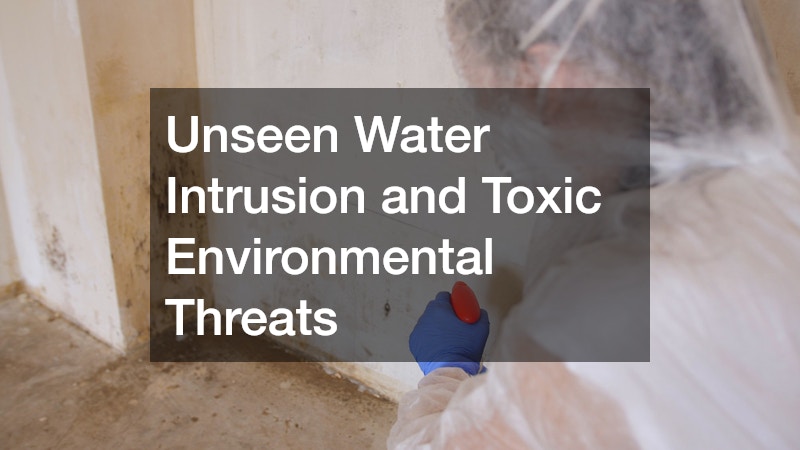
Water is essential for life, but when it penetrates the structural envelope of your home, it becomes one of the most destructive forces a property owner can face. Persistent dampness, slow leaks behind drywall, and roof intrusions lay the groundwork for dangerous biological growth. Microscopic spores can multiply rapidly in dark, moist environments, threatening both the integrity of your home’s framing and the respiratory health of your family.
Inspecting Moisture-Prone Areas for Hidden Microbial Growth
Regularly check areas in your home that experience high humidity or frequent water usage, such as basements, crawlspaces, attics, and space behind laundry appliances. Look for discolored drywall, musty odors, peeling paint, or warped flooring material, as these are clear indicators of trapped moisture. Addressing minor plumbing leaks or installing dehumidifiers in damp basements prevents environmental conditions from supporting toxic biological hazards.
Partnering with Certified Remediation Professionals for Safe Cleanup
If you discover widespread fungal contamination covering an area larger than a few square feet, avoid scrubbing the surface with household cleaners, which can release millions of microscopic spores into the air. Instead, consult local mold removal companies to assess the full extent of the contamination. Certified professionals utilize specialized containment barriers and negative air pressure machines to prevent spores from migrating into clean areas of your home during the restoration process.
Implementing Long-Term Environmental Prevention and Dehumidification
Removing existing contamination is only half the battle; preventing its return requires strict humidity management and moisture control. Professional mold remediation services focus on identifying the original source of moisture, whether it stems from a leaking pipe, poor roof ventilation, or improper ground grading. Maintaining indoor relative humidity below fifty percent and ensuring bathroom exhaust fans vent entirely outside the home will keep your air clean and healthy.
Fire Safety Systems and Heating Equipment Risks
House fires remain one of the most sudden and devastating hazards a family can experience. Cooking accidents, electrical short circuits, and unmaintained heating equipment can all ignite fires that spread within minutes. While having basic smoke detectors is a standard requirement, true fire safety involves a comprehensive approach that includes active suppression, proper ventilation, and regular maintenance of all heat sources.
Performing Regular Chimney and Flue Inspections Before Winter
Creosote, a highly flammable byproduct of wood combustion, accumulates along the inner walls of chimney flues over time. If allowed to build up, a single stray spark can ignite a roaring flue fire that rapidly spreads to the framing of the home. Hiring qualified chimney cleaning companies every autumn ensures that soot, bird nests, and creosote deposits are safely removed before you light your first seasonal fire, keeping heat safely directed out of the residence.
Upgrading Active Home Fire Alarm Infrastructure
Modern homes benefit immensely from interconnected smoke detection networks that trigger every alarm in the house simultaneously when smoke is detected in a single room. Ensure your home features an updated fire alarm system that combines ionization and photoelectric technologies to catch both fast-flaming and slow-smoldering fires. Test the entire network monthly and establish a clear escape plan so children know exactly how to react when the alarms sound.
Educating the Household on Active Fire Suppression Methods
Having fire extinguishers placed in key locations such as the kitchen, garage, and near fireplace units is critical for stopping small fires before they consume a room. Residential fire suppression systems, including built-in ceiling sprinklers, offer advanced automated defense against rapidly growing fires. Families living in homes equipped with automated sprinklers should watch a fire sprinkler training video together to understand how these systems operate, how to avoid accidental triggers, and how to shut off the main water valve after a fire is contained.
High-Pressure Plumbing and Thermal Appliance Hazards
The plumbing network inside your home operates under continuous pressure, delivering hot and cold water to various fixtures at all times. When high-pressure appliances or heating elements degrade over time, they present dual risks of catastrophic home flooding and severe thermal burns. Understanding how to manage your water pressure and maintain thermal equipment is essential for avoiding costly water damage and personal injury.
Monitoring Thermal Expansion and Pressure Valves on Water Equipment
Water heaters are equipped with a Temperature and Pressure Relief valve designed to prevent dangerous pressure buildup inside the storage tank. Inspect this valve annually by carefully lifting the lever to ensure water discharges freely into the drain pipe. Neglecting necessary water heater repairs can lead to tank ruptures, severe basement flooding, or, in extreme cases of valve failure, dangerous pressure explosions that threaten the physical safety of your household.
Installing Automatic Shutoff Valves on Laundry Lines and Appliances
Flexible rubber hoses connected to washing machines and dishwashers deteriorate over time, hardening and cracking under constant pressure. Replace standard rubber hoses with braided stainless steel supply lines, which resist bursting under high water pressure. Consider installing automatic water shutoff valves that detect leak activity or floor moisture, immediately cutting off the main water supply to protect your home from sudden flooding while you are away.
Setting Safe Temperature Thresholds to Prevent Scalding Incidents
Water heaters set to excessively high temperatures pose a severe scalding hazard, particularly to young children and elderly family members with sensitive skin. Check the temperature dial on your water heating unit and lower it to one hundred and twenty degrees Fahrenheit. This temperature setting is hot enough to sanitize dishes and clothes effectively while significantly reducing the risk of accidental thermal burns at the tap.
Electrical Grid Integrity and Hidden Shock Risks
Electricity is an indispensable part of modern living, but overloaded circuits, aging wiring, and ungrounded outlets present continuous fire and shock hazards. Outdated electrical panels or improper DIY wiring fixes can hide behind walls for years, silently generating heat until insulation melts and ignites nearby wood framing. Proactive management of your home’s electrical grid is vital for preventing hidden thermal threats.
Inspecting and Modernizing Outdated Breaker Panels and Wiring
If your home was built several decades ago, its electrical infrastructure may not be designed to handle the power demands of modern electronics and appliances. Homes with old fuse boxes or specific outdated panel brands should be evaluated by a licensed electrician for potential replacement. Upgrading to a modern circuit breaker panel with Arc-Fault Circuit Interrupters reduces the risk of electrical fires caused by unintended arcing in damaged wiring.
Protecting Water-Adjacent Outlets with Ground-Fault Interrupters
Water and electricity are a deadly combination, making proper outlet installation essential in kitchens, bathrooms, garages, and outdoor spaces. Ensure that all electrical receptacles within six feet of a sink or water source are equipped with Ground Fault Circuit Interrupters. Test these outlets monthly by pressing the test button to verify that power trips instantly, protecting your family from dangerous electric shocks.
Preventing Outlet Overloading and Eliminating Extension Cord Hazards
Relying heavily on extension cords or power strips to power high-wattage appliances creates a severe fire hazard. Extension cords are intended solely for temporary use and can quickly overheat when run under rugs, through doorways, or overloaded with multiple devices. Plug large appliances directly into dedicated wall outlets, and hire an electrician to add extra receptacles if your family frequently relies on extension cords in living areas.
Essential Family Safety Rules and Emergency Maintenance Checklist
To maintain a secure home, establish routine habits and maintain a dedicated safety checklist. Consistent maintenance prevents minor issues from escalating into hazardous emergencies.
- Test all smoke alarms, carbon monoxide detectors, and ground fault outlets once a month.
- Inspect fire extinguishers to confirm the pressure gauge indicates an operational charge level.
- Clear debris, leaves, and twigs from roof gutters and downspouts every autumn and spring.
- Check exposed plumbing pipes under sinks and around appliances for subtle moisture or corrosion.
- Verify that your home’s main water, gas, and electrical shutoff valves are clearly labeled and easily accessible.
- Conduct family fire escape drills twice a year, ensuring every child knows two ways out of every room.
Identifying hidden hazards around the home is an ongoing responsibility that evolves as your living space ages and your family grows. By staying vigilant, scheduling professional maintenance, and addressing small repairs promptly, you create a protective shield around the people who matter most. A proactive approach to home safety transforms potential crisis points into manageable, preventable routines.