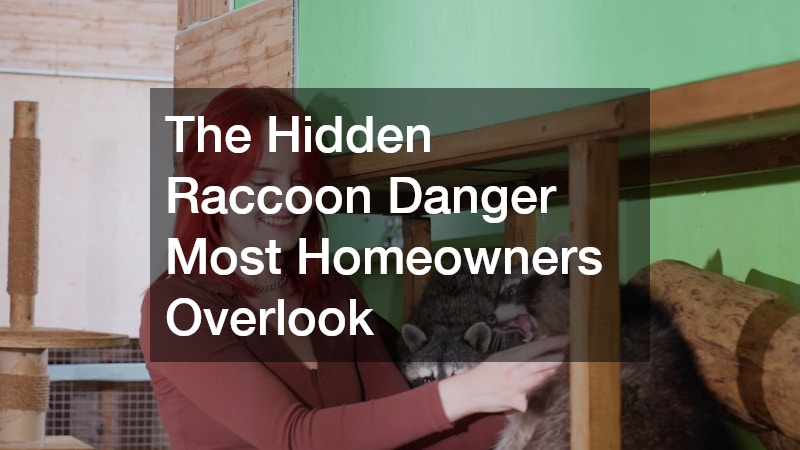
Raccoons may look harmless when spotted from a distance, but their presence around a home can create problems that are easy to miss at first. Many homeowners focus on the noise or visible damage while overlooking the risks associated with an animal settling inside an attic, crawl space, chimney, or other sheltered area. Prompt raccoon removal can help address an infestation before the situation becomes more difficult to manage. Understanding the hidden dangers associated with raccoons can help property owners recognize warning signs early.
Taking action quickly may also reduce damage to the structure and limit exposure to contaminated areas.
Recognize Hidden Property Damage
Raccoons are strong, resourceful animals capable of finding small openings around a property and turning them into entry points. Once inside, they may disturb insulation, damage vents, tear through roofing materials, or create openings around soffits and fascia. What begins as a small access point can become larger as the animal repeatedly enters and exits. Damage may remain hidden until homeowners notice unusual sounds, odors, or signs of nesting. Moisture can also enter through damaged exterior materials, potentially creating additional problems. Regularly checking vulnerable areas can help homeowners identify structural concerns before they become extensive.
Understand Contamination Concerns
One of the most overlooked issues associated with raccoons is contamination from feces and urine. Animals that repeatedly use an attic, crawl space, or enclosed area as shelter can leave waste behind in concentrated locations. These materials can create unpleasant odors and make the affected area unsanitary. Direct contact with animal waste should be avoided, particularly when cleaning enclosed spaces where contamination may have accumulated. Improper cleanup can also spread contaminated material throughout an area. Professional assessment and appropriate sanitation procedures may be necessary when raccoons have occupied part of a home.
Watch for Electrical Hazards
Raccoons can create unexpected risks when they move through attics and other areas containing electrical wiring. Their activity may disturb insulation, chew materials, or damage components they encounter while searching for food and shelter. Exposed or compromised wiring can potentially become a serious concern for the property. Homeowners may not immediately realize that unusual attic noises are connected to damage near electrical systems. If signs of animal activity are found around wiring, the area should be evaluated carefully. Addressing wildlife activity early can reduce the opportunity for additional damage to occur.
Protect Insulation and Ventilation
An attic can provide warmth and shelter, making it an appealing location for raccoons. Unfortunately, nesting activity can disturb insulation and block or damage ventilation components. Compressed or displaced insulation may no longer perform as intended, which can affect the home’s overall efficiency. Blocked ventilation can also contribute to moisture-related issues in an attic. Homeowners who notice flattened insulation, nesting materials, or unusual odors should investigate the source rather than simply replacing the visible damage. Removing the underlying cause is important before damaged insulation or other materials are restored.
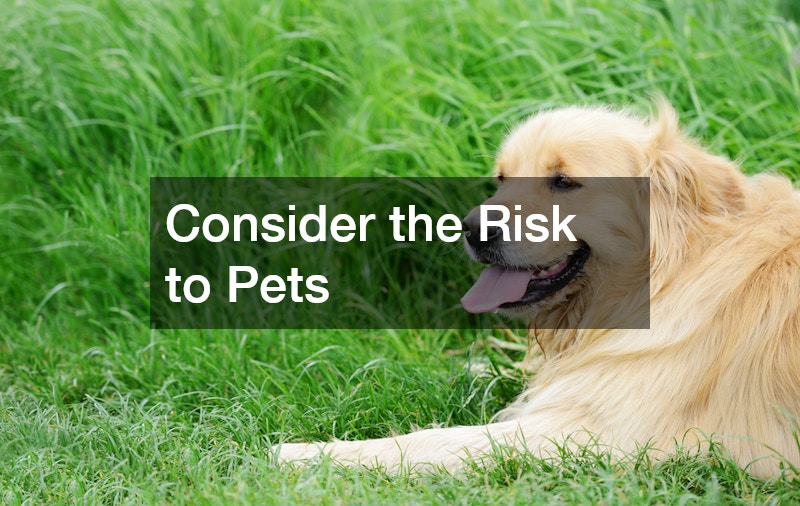
Consider the Risk to Pets
Raccoons can also create concerns for household pets when they encounter one another. Outdoor cats and dogs may investigate raccoons, especially at night when these animals are most active. A defensive raccoon may scratch or bite if it feels threatened or cornered. Pet owners should avoid encouraging direct interaction and should keep food and water bowls away from areas where wildlife regularly appears. Securing garbage and removing other food sources can also make a property less attractive to unwanted animals. Limiting encounters helps create a safer environment for both pets and wildlife. Your family’s safety should come first!
Avoid Handling Wildlife Yourself
When homeowners discover a raccoon inside or around their property, attempting to capture or remove it personally can create unnecessary risks. A frightened animal may behave defensively, particularly if it is protecting a den or young. Trapping or blocking an entrance without understanding what is inside can also make the situation worse. For these reasons, wildlife concerns are generally better handled through appropriate professional methods. A qualified technician can assess entry points, determine where the animal is located, and develop a suitable removal approach. Professional assistance can also help identify steps needed to prevent the animal from returning.
Prevent Future Raccoon Problems
Removing an animal is only part of addressing a wildlife issue. Homeowners should also look for the conditions that allowed the raccoon to access the property in the first place. Loose roof materials, damaged vents, uncapped chimneys, and gaps around exterior structures can all provide potential entry points. After the animal has been safely removed, vulnerable openings should be repaired and secured appropriately. Garbage containers should remain tightly closed, while fallen fruit and other accessible food sources should be cleaned up regularly. Combining exclusion measures with good property maintenance can make the home less appealing to future wildlife visitors. Early attention to these details can help protect the property from recurring raccoon-related problems.