Relocating an entire household represents one of the most demanding life transitions a family can experience, combining dense emotional adjustments, physical disruption, and intricate calendar deadlines. Parents must balance everyday workplace obligations, children’s schooling, and property closings while systematically preparing years of domestic possessions for transit. When managed without a clear plan, the sheer volume of personal items, unexpected schedule delays, and hurried packing routines quickly degrade household tranquility. What should mark an exciting new chapter often deteriorates into exhausted late-night triage, misplaced childhood essentials, and heightened emotional stress across every generation under the roof.
Transforming this complex transition into a calm, predictable experience requires moving past reactive packing scrambles toward an engineered, systematic framework. A family home is not merely a collection of boxes; it is a living ecosystem that depends on predictability, emotional safety, and physical comfort. Protecting family stability throughout a major property transition requires looking at early sorting, vendor evaluation, specialized equipment handling, and room-by-room unpacking as interconnected operational phases. When households establish structured checkpoints and partner with accredited logistics trades, daily routines remain intact, children experience minimal disruption, and domestic items arrive safely at the destination.
A structured relocation framework replaces anxiety with operational confidence. Parents can safeguard delicate family heirlooms, protect architectural surfaces from impact damage, and preserve the physical stamina needed to guide children through their new neighborhood integration. Taking a disciplined, trade-coordinated approach to household logistics ensures that the transition feels organized, predictable, and supportive from the initial inventory audit to the final bedroom arrangement. Rather than reacting to daily surprises, the entire family benefits from clear, predetermined milestones that eliminate the rush and friction common to moving day. By establishing reliable routines, clear roles, and realistic expectations well before transit begins, families maintain their collective focus and emotional bandwidth, transforming what could be an overwhelming ordeal into an orderly, collaborative milestone.
Establishing a Structured Family Relocation Timeline and Phased Milestones
The primary catalyst for domestic chaos during a major household transition is compressed scheduling caused by procrastination. When families wait until the final two weeks to begin sorting wardrobes, clearing storage crawlspaces, and packing fragile kitchenware, daily routines collapse beneath a mountain of cardboard boxes. Children inevitably absorb this ambient panic, often acting out through sleep disruptions, academic regression, and emotional distress as their familiar domestic environment dissolves overnight.
Establishing a comprehensive eight-week structural roadmap for family moving establishes clear weekly milestones that distribute the physical and mental workload evenly across the calendar. Families begin by conducting a room-by-room inventory audit, donating outgrown clothing, organizing vital personal records, and assembling dedicated personal survival crates for each child containing beloved toys, favorite bedding, and essential school supplies. Pacing domestic preparation over a structured timeline preserves normal evening dinners, maintains weekend extracurriculars, and ensures that children feel informed, emotionally anchored, and actively included throughout every phase of the household transition.
Selecting Verified Commercial Logistics Partners to Eliminate Household Chaos
Attempting to orchestrate an entire residential transition using borrowed consumer trailers, casual family volunteers, and unstructured self-haul methods frequently results in severe physical exhaustion and damaged possessions. Unsecured furniture pieces shift dangerously under road vibrations, heavy appliances cause acute lumbar injuries to untrained handlers, and delayed arrivals create chaotic multi-day living situations that leave children sleeping on bare floors.
Contracting a licensed, accredited moving company establishes professional operational leadership, commercial cargo protections, and contractual accountability from day one. Established transportation enterprises dispatch modern, air-ride suspension vans equipped with hydraulic liftgates, professional logistics strapping systems, and dense neoprene flooring runners to safeguard interior architectural thresholds. Their seasoned logistics coordinators evaluate structural access constraints, secure municipal parking permits, and coordinate continuous transit tracking, ensuring that every family asset arrives on schedule without draining the parents’ vital emotional and physical energy reserves.
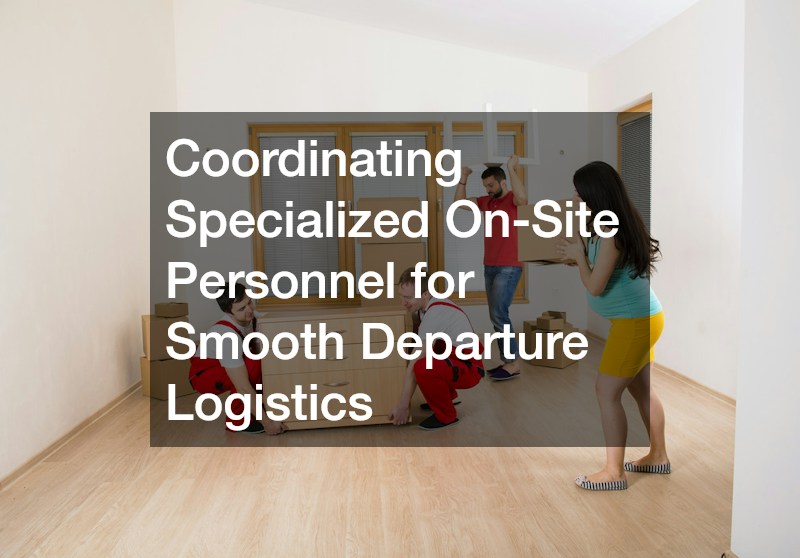
Coordinating Specialized On-Site Personnel for Smooth Departure Logistics
The physical departure phase often introduces sudden operational bottlenecks when on-site labor lacks centralized leadership and clear role division. When uncoordinated workers wander between bedrooms without a defined loading manifest, delicate boxes end up crushed beneath heavy solid-oak dressers, and critical childhood comfort items get buried deep within the nose of the freight trailer.
Assigning primary on-site duties to a professional moving team guarantees that loading proceeds according to an engineered weight-distribution plan that prioritizes safety and unpacking logic. An experienced on-site crew supervisor directs individual loaders, ensuring that baseline furniture pieces are dismantled correctly, hardware bolts are sealed in labeled clear packets, and labeled bedroom cartons are stacked in reverse delivery order. This structured division of physical labor keeps narrow hallways clear of tripping hazards, protects fragile family belongings from sudden transit damage, and allows parents to focus entirely on maintaining calm, reassuring oversight for their children throughout the loading process.
Delegating Physical Labor and Heavy Lifting to Preserve Parental Energy
A residential transfer requires immense physical stamina, involving repetitive heavy lifting, awkward stair descents, and the prolonged physical manipulation of bulky upholstery. When parents attempt to manage these strenuous physical tasks alone while simultaneously addressing hungry toddlers, crying infants, or stressed teenagers, physical exhaustion quickly leads to short tempers and avoidable domestic conflict.
Relying on certified, background-checked movers removes the physical burden from parents, transforming an exhausting ordeal into a clean, spectators-only experience. Professional transport handlers possess specialized ergonomic knowledge, utilizing heavy-duty forearm forklifts, padded shoulder-dolly straps, and four-wheel platform dollies to maneuver massive furniture pieces through tight stairwells and narrow doorways with millimetric precision. Outsourcing the demanding physical work preserves the parents’ health and mental clarity, allowing them to remain emotionally available, patient, and attentive to their children’s needs during a pivotal emotional transition.
Engaging Community-Based Haulers for Neighborhood Proximity and Accountability
Relocating within the same municipal district or to an adjacent suburb introduces distinct logistical requirements that benefit from localized routing intelligence. While total driving distance may be short, navigating narrow residential cul-de-sacs, low-hanging neighborhood utility wires, tight school pickup zones, and strict homeowner association parking covenants requires direct local familiarity.
Contracting an established local moving company provides access to regional drivers who possess intimate knowledge of municipal traffic rhythms, construction detours, and neighborhood access regulations. Community-rooted transport businesses maintain local dispatch depots, enabling them to route secondary supply trucks quickly or swap specialized equipment on short notice if a narrow alleyway or low tree canopy restricts access. Their established neighborhood presence guarantees high levels of accountability and courteous conduct, providing families with a smooth, professional neighborhood transfer that concludes cleanly before evening bedtime routines.
Auditing Commercial Credentials and Insurance Protections Across Multiple Bids
Selecting a transportation provider solely based on the lowest online price estimate often leaves families vulnerable to rogue brokers, unexpected fee additions, and underinsured transit damages. Unaccredited budget operators frequently arrive in poorly maintained rental trucks with casual day laborers, demanding cash surcharges at the curb before agreeing to unload personal belongings.
Conducting a thorough comparative audit across multiple local moving companies protects the household budget and shields family assets with legitimate commercial liability coverage. Discerning parents review active state operating authorities, verified workers’ compensation coverage certificates, and consumer complaint histories logged with regional licensing bureaus. Gathering detailed, written estimates that explicitly itemize labor hours, fuel charges, packing materials, and full-value replacement insurance options ensures complete financial transparency, eliminating unexpected price surprises and ensuring professional service throughout the relocation.
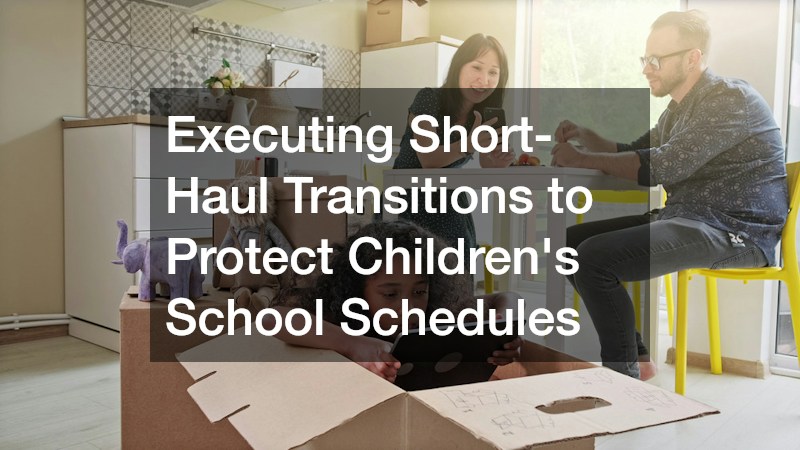
Executing Short-Haul Transitions to Protect Children’s School Schedules
Short-distance household transfers are often scheduled over a single weekend to avoid disrupting children’s school attendance and extracurricular commitments. However, when short-haul logistics drag out through inefficient loading and unorganized transport runs, children arrive at class on Monday morning exhausted, missing essential textbooks, and disoriented by a chaotic living environment.
Engaging experienced local movers ensures that short-haul relocations are executed with high speed, coordinated labor power, and minimal disruption to the household calendar. Seasoned short-haul crews can completely load, transport, and unload a four-bedroom family home within a single eight-hour operational window, placing labeled furniture and essential bedroom items directly into their designated spaces. Rapid spatial stabilization allows parents to assemble children’s beds, unpack bathroom toiletries, and prepare school uniforms before nightfall, ensuring that children wake up in an organized, comforting bedroom ready for the school day ahead.
Transporting High-Value Heavy Vaults and Precision Instruments Without Risk
Many family homes contain specialized, high-density assets—such as heavy fireproof gun safes, biometric security vaults, grand upright pianos, and cast-iron kitchen ranges—that present severe safety hazards if handled by standard residential crews. An accidental drop or misjudged step on a staircase can crack expensive hardwood flooring, break structural stair stringers, or cause permanent crush injuries to household members.
Enlisting dedicated residential safe movers guarantees that these heavy, balance-sensitive items are handled using heavy-duty industrial rigging equipment. Specialized heavy-asset technicians utilize motorized stair-climbing hand trucks,aircraft-grade aluminum ramps, and heavy-capacity floor-protection plates that distribute immense point-load weights evenly across structural floor joists. Their specialized training in center-of-gravity physics and mechanical anchoring ensures that multi-hundred-pound security vaults and delicate musical instruments are secured, transported, and positioned without causing personal injury or damaging architectural finishes.
Managing Multi-State Freight Logistics and Real-Time Route Telemetry
Relocating across multiple state lines compounds logistical complexity, requiring precise coordination across highway weigh stations, multi-day fuel stops, and interstate regulatory requirements. For families traveling by commercial aircraft or driving personal vehicles behind a transport van, long stretches of communication silence from the transit driver generate intense anxiety regarding the safety and delivery timing of their life possessions.
Partnering with licensed, nationally registered long distance movers ensures that long-haul freight operations are backed by modern satellite tracking telemetry and clear transit communications. Dedicated long-haul carriers provide parents with direct digital portal access, enabling real-time monitoring of their shipment’s physical highway location, expected transit milestones, and confirmed delivery appointments down to specific morning hours. Their commercial tractor-trailers feature climate-controlled freight boxes and advanced shock-absorption systems, protecting delicate furniture joints, fine electronics, and fragile family keepsakes from road vibrations across thousands of highway miles.
Partnering with a Single Hometown Carrier Across State-to-State Routes
Many national van line networks rely on complex freight brokerage systems where family belongings are loaded onto a local shuttle, transferred through regional distribution hubs, and unloaded by unfamiliar third-party crews. These repeated freight transfers significantly increase the risk of lost boxes, crushed cartons, and prolonged delivery delays across state lines.
Hiring a trusted local long distance mover provides single-carrier accountability and continuous operational consistency from pickup to delivery. The same professional crew supervisor who inspects, wraps, and loads your family furniture at your original residence remains with the truck across the entire cross-country journey, directly supervising the unloading and reassembly at your new address. This continuous personal oversight eliminates freight handoffs, ensures respectful care for sensitive family heirlooms, and gives parents a single, accountable point of contact throughout the interstate transition.
Executing an organized, low-stress residential transition requires harmonizing structured timeline planning, accredited transportation partnerships, specialized heavy-asset rigging, and dedicated personal oversight into a unified family framework. Prioritizing phased sorting schedules, secure document storage, and dedicated childhood comfort crates before the transport truck arrives ensures that personal belongings remain organized and accessible. Combining vetted commercial carriers with disciplined on-site labor shields delicate family belongings from transit damage while protecting parents from physical exhaustion.
Relying on certified, experienced logistics specialists across local hauling, interstate freight, and high-density asset rigging guarantees that every phase of the household transition adheres to strict commercial safety standards. Delegating strenuous physical lifting and transit logistics to qualified professionals preserves parental patience and emotional energy, allowing parents to guide their children smoothly through an unfamiliar neighborhood transition. A structured, detail-driven approach transforms a major residential relocation into an organized, positive, and memorable family milestone.
Ultimately, the measure of a successful move is not merely the safe transit of household goods, but how swiftly the new environment begins to feel like a secure, functional home. Prioritizing the setup of personal sleeping quarters, organizing central family living areas first, and establishing familiar daily rhythms allows every family member to decompress and adapt with minimal anxiety. When the logistical demands of arrival are handled with care and intention, parents and children alike can step into their new surroundings with a sense of stability, comfort, and shared excitement for the chapter ahead.